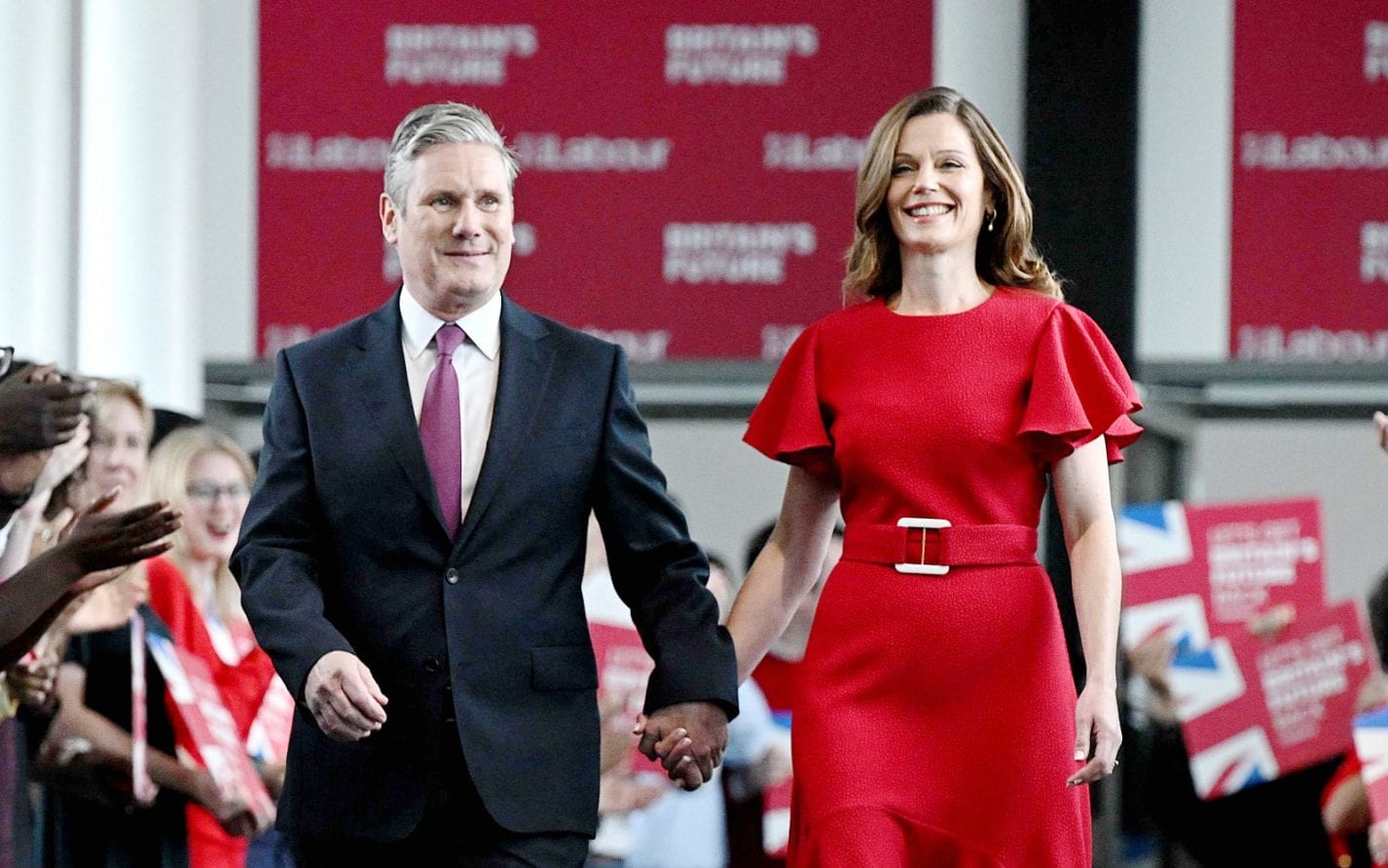
Unveiling Victoria Starmer Net Worth: The Full Picture
Lead: In the dynamic world of politics, public interest often extends beyond elected officials to their families. One figure increasingly drawing attention is Victoria Starmer, wife of UK Labour Party leader Keir Starmer. As her husbands political profile continues to rise, inquiries into Victoria Starmer net worth have become a focal point for media and the public alike. This article delves into the various facets surrounding her financial standing, exploring her professional background, the factors contributing to public curiosity, and the broader context of transparency expectations for those in the political spotlight. Readers will gain a comprehensive understanding of why this topic garners interest and the considerations involved in discussing the finances of a prominent political spouse.
What Is Victoria Starmer Net Worth?
Victoria Starmer's net worth, like that of many private citizens, is not publicly disclosed, making definitive figures speculative. However, general understanding of her professional career and her husband's public salary provides context for the public interest. Victoria Starmer is a highly accomplished solicitor, having worked for NHS Trusts in various capacities. Her legal career has spanned a considerable period, often involving senior roles within the public health sector in the United Kingdom.
Net worth typically comprises assets such as property, savings, investments, and other valuable holdings, minus any liabilities. For individuals in professions like law, substantial earnings accumulate over time, contributing to personal wealth. When assessing Victoria Starmer's potential net worth, several factors are generally considered:
- Professional Career: Her long-standing career as a solicitor, particularly within the NHS framework, suggests a consistent and respectable income stream over many years. Legal professionals, especially those in senior positions, often command significant salaries.
- Spousal Income and Joint Assets: As the wife of Keir Starmer, Leader of the Labour Party and a Member of Parliament, family finances may include his parliamentary salary (currently around 86,584 per annum, excluding any additional ministerial salaries he might hold in a future government) and any joint investments or properties accumulated during their marriage.
- Property Holdings: Like many established professionals in London, it is reasonable to infer property ownership, which can constitute a significant portion of net worth in a high-value real estate market.
It is important to emphasize that any specific numerical estimates found online are often based on general assumptions about her profession and public information about her husband's earnings, rather than verified disclosures from Victoria Starmer herself.
Why Victoria Starmer Net Worth Is Trending
The growing interest in Victoria Starmer's net worth is inextricably linked to her husband Keir Starmer's prominent position in British politics. As the leader of the opposition and a potential future Prime Minister, the scrutiny surrounding his life, and by extension his family, intensifies. This phenomenon is not unique to the UK; spouses of leading political figures globally often find their private lives, including finances, subject to public discussion.
Several factors contribute to this trending interest:
- Political Scrutiny: In an era demanding greater transparency from political figures, the public often extends this expectation to their immediate families. Questions about financial independence, potential conflicts of interest, and the general wealth of political families become points of discussion.
- Keir Starmer's Political Ascent: As Labour's poll numbers have improved and the prospect of a general election approaches, interest in all aspects of Keir Starmer's life, including his marriage and family finances, naturally escalates. Media outlets and voters seek to understand the backgrounds of those who may soon hold the highest offices.
- Social and Cultural Discourse: There is a persistent public fascination with the personal wealth of individuals connected to power. Discussions about economic inequality and the financial standing of elites often fuel interest in such figures. Social media platforms amplify these queries, turning them into trending topics.
- Media Narrative: News organizations, in their pursuit of comprehensive profiles, often explore the financial aspects of public figures' lives, contributing to the trend and providing a platform for public discussion.
The popularity of this topic underscores a broader societal conversation about the role of wealth in politics and the extent to which public figures, and their families, should disclose their financial affairs.
Dates, Locations, or Key Details
Victoria Starmer's professional journey and personal life provide key context for understanding public interest in her financial standing. She was born Victoria Alexander and has maintained a career in law throughout her adult life. Her work as a solicitor has primarily been with NHS Trusts, which are public sector entities responsible for managing hospitals and other healthcare services in the UK. This background places her within the public service sphere, albeit in a legal capacity.
She married Keir Starmer in 2007, and they have two children. Their family home is in north London, a high-value real estate area. While there aren't specific "events" or dates tied to her net worth trending, the trajectory of her husband's political career forms the primary timeline for this public interest. Keir Starmer became an MP in 2015, Leader of the Labour Party in 2020, and Leader of the Opposition, consistently positioning him as a major figure in UK politics. This sustained visibility inherently brings attention to his family's circumstances.
Key details related to her background include:
- Professional Role: A practicing solicitor, notably within NHS Trusts, indicating a career dedicated to public sector legal work.
- Marital Status: Married to Keir Starmer, aligning her with a highly scrutinized public figure.
- Family Life: Living in London with her family, suggesting typical family assets and expenditures for professionals in a metropolitan area.
Her role, therefore, is not just as a political spouse but also as an independent professional with her own established career, which forms the basis for any discussions about her personal finances.
How To Get Involved or Access Victoria Starmer Net Worth
Directly "accessing" or "getting involved" with Victoria Starmer's personal net worth is not applicable, as her finances are private. However, the interest in this topic stems from a broader public engagement with political transparency and accountability. Readers keen to understand the context surrounding such discussions can engage through several avenues:
- Follow Reputable News Outlets: Major news organizations like the BBC, The Guardian, The Times, and reputable financial publications often publish analyses of political figures' finances, including discussions around spousal wealth where relevant and publicly discernible.
- Understand Public Disclosure Rules: Familiarize oneself with the rules governing financial disclosures for Members of Parliament and senior political figures in the UK. While these rules apply directly to Keir Starmer, they provide a framework for understanding what information is legally required to be public and what remains private.
- Engage in Informed Public Discourse: Participate in discussions on political transparency, the ethics of financial disclosures for public servants and their families, and the balance between privacy and public interest. Forums, social media, and letters to editors can be avenues for this.
- Research Professional Backgrounds: Gaining an understanding of the typical career trajectory and earning potential for solicitors working for NHS Trusts can offer informed speculation on accumulated wealth, rather than relying on unverified claims.
The focus should remain on seeking credible information and engaging in thoughtful analysis of the broader implications of financial transparency in politics, rather than attempting to uncover specific, private financial details.
What To Expect
- Lack of Definitive Figures: Expect to find no precise, officially verified figure for Victoria Starmer's net worth, as she is a private citizen and not subject to public disclosure requirements for personal wealth.
- Informed Speculation: Discussions will primarily revolve around educated guesses based on her professional background as a solicitor and her husband's public salary, as well as general property values in their residential area.
- Contextual Understanding: The primary value in exploring this topic lies in understanding the broader societal and political dynamics that lead to such inquiries, including public interest in political transparency and the lives of those close to power.
- Focus on Professional Accomplishments: Emphasis will often be placed on her career as a solicitor within NHS Trusts, highlighting her independent professional standing.
The Broader Impact of Victoria Starmer Net Worth
The public fascination with Victoria Starmer's net worth, while focused on an individual, has broader implications for political discourse and the public's perception of political families. It underscores the intense scrutiny that accompanies high-profile political positions, extending beyond the officeholder to their spouse and family finances.
This scrutiny influences how political leaders are perceived by the electorate. If a politician's family appears to possess significant wealth, it can either reinforce an image of success and capability or, conversely, spark debates about privilege, elitism, and a disconnect from the struggles of average citizens. For parties like Labour, traditionally associated with working-class values and social equality, the financial standing of its leader's family can become a sensitive point in public messaging.
Moreover, the topic impacts discussions on media ethics and privacy. Balancing the public's right to know about those close to power with an individual's right to privacy regarding their personal finances is a continuous challenge for journalists and media outlets. This discussion contributes to the ongoing evolution of transparency standards expected from those in public life and their families.
The financial standing of a politician's spouse often becomes a point of public fascination, reflecting broader societal concerns about influence, transparency, and the perceived disconnect between political elites and the average citizen, regardless of their personal professional achievements.
Economic or Social Insights
From an economic perspective, discussions around Victoria Starmer's net worth highlight the financial realities of certain high-earning professions in the UK. A solicitor with a sustained career, particularly in London, would typically command a significant salary, allowing for substantial wealth accumulation over decades through savings, investments, and property ownership. This aligns with broader economic trends where professional services contribute significantly to personal wealth.
Socially, the topic touches upon class perceptions and the narrative surrounding political leadership. In a society grappling with economic inequality, the perceived wealth of political figures and their families often becomes a proxy for discussions about whether leaders truly understand or represent the experiences of ordinary people. This is particularly salient in British politics, where class distinctions and perceptions of background can heavily influence public opinion.
Compared to the U.S. context, where presidential and vice-presidential candidates often release detailed tax returns and financial disclosures, the UK system for spouses is less prescriptive. However, public and media interest remains high. Observations from political and economic commentators (e.g., as might be seen in analyses by The Economist or Financial Times) often point to the increasing difficulty for public figures to maintain complete financial privacy for their families in the digital age.
Frequently Asked Questions About Victoria Starmer Net Worth
- What is Victoria Starmer net worth? Victoria Starmer's exact net worth is not publicly disclosed. She is a private citizen, and her personal financial details are not officially released. Any figures discussed are estimates based on her professional career as a solicitor and public knowledge of her husband's income and family assets.
- Why is Victoria Starmer net worth popular? The topic gains popularity due to her husband, Keir Starmer, being a high-profile political leader in the UK. Public and media interest often extends to the families of prominent political figures, driven by desires for transparency and curiosity about their financial standing.
- How can people participate or experience it? People can engage with the topic by following analyses from reputable news sources, understanding the context of political financial transparency, and participating in informed discussions about the wealth of those connected to public life. It is about understanding the public discourse, not directly accessing private financial information.
- Is it legitimate or official? The public interest in the net worth of a political spouse is a legitimate journalistic and public curiosity. However, specific numerical claims about her net worth are not "official" as they do not come from a verified, public disclosure by Victoria Starmer herself.
- What can attendees or users expect? Readers can expect to learn about the factors that contribute to public interest in the finances of political spouses, insights into Victoria Starmer's professional background, and the broader implications of financial transparency in politics, rather than precise financial figures.
Conclusion
The interest surrounding Victoria Starmer net worth is a clear reflection of the intense scrutiny directed towards political leaders and their families in contemporary society. While definitive figures remain private, her background as a successful solicitor and her connection to a major political figure naturally place her finances under public consideration. This ongoing discussion highlights broader themes of transparency, privilege, and the expectations placed upon those in or near the corridors of power. It serves as a reminder that the personal and professional lives of political spouses are increasingly viewed through a public lens, shaping narratives and influencing perceptions.
Call to Action: Readers interested in the intersection of politics and personal finance are encouraged to follow established political journalism, explore reports on financial transparency in public life, and engage thoughtfully with the ongoing dialogue about the wealth and backgrounds of public figures and their families. Staying informed through verified sources is key to understanding these complex dynamics.