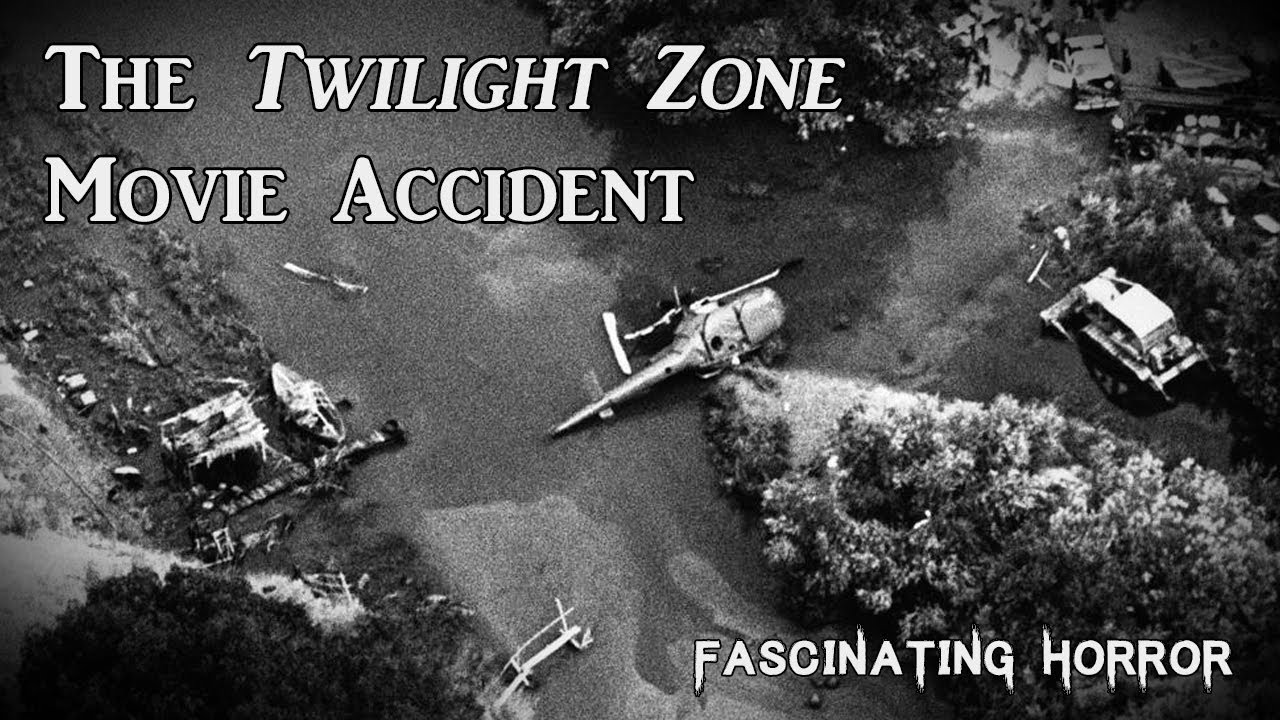
The Twilight Zone Unveiling Accidents And Mysterious Deaths
Lead: From unexplained disappearances to bizarre, unsolvable fatalities, humanity has long been captivated by incidents that defy conventional explanation. These perplexing occurrences, often leading to tragic accidents and mysterious deaths, echo the unsettling narratives once popularized by "The Twilight Zone." This article delves into the enduring public fascination with such enigmatic events, exploring how they challenge our understanding of reality and continue to spark both fear and curiosity across the U.S. and beyond.
What Is The Twilight Zone Unveiling Accidents and Mysterious Deaths?
The concept of "The Twilight Zone unveiling accidents and mysterious deaths" refers to the examination and discussion of real-world events that bear a striking resemblance to the surreal and often inexplicable plots of the iconic television series. It's less about a singular event and more about a thematic lens through which one can view incidents that:
- Involve inexplicable circumstances, where conventional explanations fall short.
- Result in tragic outcomes, often involving disappearances, bizarre accidents, or unsolved fatalities.
- Evoke a sense of the uncanny, the supernatural, or the profoundly coincidental.
- Leave investigators and the public with more questions than answers, often fostering urban legends and intense speculation.
These cases stand apart from typical criminal investigations or accidental occurrences due to their lingering ambiguity, a quality that makes them endlessly compelling to audiences intrigued by the limits of human knowledge and the unknown.
Why The Twilight Zone Unveiling Accidents and Mysterious Deaths Is Trending
The sustained interest in mysterious accidents and unexplained deaths, framed through the "Twilight Zone" lens, stems from several deeply rooted human psychological and cultural factors. There is an inherent human desire to understand and rationalize the world, and when events defy this, they become a source of profound intrigue. The ongoing popularity can be attributed to:
- The Enduring Legacy of "The Twilight Zone": The original series, and its subsequent revivals, imprinted on popular culture a fascination with the bizarre, the supernatural, and the philosophical implications of inexplicable events.
- Rise of True Crime and Mystery Genres: Podcasts, documentaries, and streaming series dedicated to unsolved mysteries and true crime have exploded in popularity, creating a massive audience eager for compelling, unresolved narratives.
- Digital Age Connectivity: Online forums, social media, and dedicated websites allow for global discussion and speculation on these cases, often unearthing new theories or drawing fresh attention to old mysteries.
- The Allure of the Unknown: Humans are inherently curious about what lies beyond the veil of normal experience, and these stories provide a safe, intellectual space to explore those boundaries without direct personal risk.
This collective curiosity transforms individual tragedies into communal puzzles, driving continuous engagement and discussion.
Dates, Locations, or Key Details
While "The Twilight Zone unveiling accidents and mysterious deaths" isn't tied to specific dates or locations in the manner of a single event, its scope encompasses a broad spectrum of cases throughout history and across geographies. These include:
- Historical Unsolved Cases: Incidents from centuries past that remain baffling, such as the disappearance of Amelia Earhart or the mystery of the Mary Celeste.
- Modern Enigmas: Contemporary cases where advanced forensics and widespread media attention still fail to provide definitive answers, like certain cold cases involving bizarre circumstances or vanishing persons.
- Geographic Hotspots: Some regions gain notoriety for a cluster of unexplained events, fostering local legends and national interest, such as alleged paranormal activity sites or areas with unusually high rates of unexplained disappearances.
- Recurring Themes: The fascination often centers on themes like spontaneous human combustion, phantom vehicles, inexplicable disappearances in remote areas, or deaths occurring under highly improbable or physically impossible conditions.
These details serve as touchstones for ongoing discussions, forming a tapestry of human encounters with the uncanny.
How To Get Involved or Access the Discussions on The Twilight Zone Unveiling Accidents and Mysterious Deaths
Engaging with the theme of "The Twilight Zone unveiling accidents and mysterious deaths" is accessible through numerous platforms. For those interested in delving deeper:
- Explore Documentaries and Series: Many streaming services feature docuseries on unsolved mysteries, cold cases, and paranormal phenomena that align with the "Twilight Zone" theme. Titles often highlight the strange circumstances rather than just the criminal aspect.
- Listen to Podcasts: A vast array of podcasts are dedicated to unexplained phenomena, true crime with unusual twists, and historical enigmas. These audio narratives often provide in-depth analysis and discussion.
- Join Online Forums and Communities: Websites like Reddit (e.g., r/unresolvedmysteries, r/nosleep for fictional but thematically similar stories) and dedicated true-crime forums offer spaces for discussion, theory-crafting, and sharing of information.
- Read Books and Articles: Numerous authors and journalists have chronicled collections of unexplained events, offering comprehensive research and diverse perspectives on these baffling occurrences.
- Engage with Local Historical Societies: Sometimes, local archives hold details on strange, unsolved incidents that have faded from mainstream memory but are ripe for re-examination.
What To Expect
- An exploration of cases where conventional logic falters, leaving room for alternative, often unsettling, explanations.
- Discussions that highlight the human elementthe fear, grief, and relentless pursuit of answers by those affected.
- A journey into the psychological impact of the unknown, examining how individuals and societies grapple with uncertainty.
- Exposure to various theories, ranging from scientific rationalizations to speculative supernatural interpretations.
The Broader Impact of The Twilight Zone Unveiling Accidents and Mysterious Deaths
The enduring fascination with "The Twilight Zone unveiling accidents and mysterious deaths" has a significant cultural and psychological impact. Culturally, it continuously fuels the creative industries, inspiring countless books, films, and television shows that explore the boundaries of reality. It keeps the public engaged with critical thinking, challenging them to consider evidence, analyze theories, and question assumptions.
Psychologically, these narratives tap into primal fears and curiosities, serving as a reminder of life's unpredictability and the limits of human control. They provide a safe outlet for contemplating existential questions about fate, chance, and the possibility of unseen forces at play. This genre often transcends mere entertainment, acting as a modern-day folklore that helps people process the incomprehensible.
The human mind struggles with the absence of a clear narrative, especially when it comes to life and death. Mysterious incidents force us to confront the edges of our understanding, inviting speculation and often, a profound sense of awe and dread.
Economic or Social Insights
The "Twilight Zone" phenomenon of mysterious deaths and accidents has carved out a substantial niche in the entertainment economy. The true-crime and mystery genre, heavily influenced by these themes, is a multi-billion dollar industry. This includes revenue from:
- Subscription services for streaming platforms hosting countless documentaries and fictional series.
- Book sales, both non-fiction accounts of real mysteries and fictional thrillers inspired by them.
- Merchandise and fan conventions dedicated to genre enthusiasts.
- Advertising revenue for popular podcasts and YouTube channels.
Socially, these discussions foster online communities and real-world gatherings, demonstrating how shared interests in the unexplained can build connections and collective engagement, as frequently observed by media analysts covering digital content trends (e.g., Variety, The Hollywood Reporter).
Frequently Asked Questions About The Twilight Zone Unveiling Accidents and Mysterious Deaths
- What is The Twilight Zone unveiling accidents and mysterious deaths? It refers to the thematic exploration and discussion of real-world accidents and mysterious deaths that possess an uncanny, inexplicable quality, reminiscent of the narratives presented in "The Twilight Zone" television series. Its a way of categorizing and discussing events that defy easy explanation.
- Why is The Twilight Zone unveiling accidents and mysterious deaths popular? Its popularity stems from deep-seated human curiosity about the unknown, the allure of unsolved mysteries, and the cultural legacy of the original "Twilight Zone" series. It provides a thrilling yet safe way to engage with the boundaries of reality.
- How can people participate or experience it? Individuals can engage by consuming media like documentaries, podcasts, and books focused on unsolved mysteries. They can also join online forums and communities dedicated to discussing these perplexing cases.
- Is it legitimate or official? The phrase itself is a thematic descriptor rather than an official entity or organized event. The incidents discussed are real occurrences, but their interpretation through a "Twilight Zone" lens is a cultural and intellectual exercise, not a formal investigation.
- What can attendees or users expect? Participants can expect to encounter compelling narratives of the unexplained, engage in critical thinking about various theories, and connect with others who share a fascination for the mysterious and uncanny aspects of life and death.
Conclusion
The ongoing fascination with "The Twilight Zone unveiling accidents and mysterious deaths" underscores a fundamental human desire to understand the inexplicable. These narratives, far from being mere entertainment, serve as cultural touchstones that challenge our perceptions, ignite our imaginations, and remind us of the vast unknowns that still permeate our world. They invite us to look beyond the surface, to question what we think we know, and to confront the unsettling possibility that not every question has an answer.
Call to Action: Readers are encouraged to delve into the rich archives of documented unexplained phenomena, explore reputable true-crime and mystery resources, and engage with communities dedicated to exploring these compelling, "Twilight Zone"-esque narratives.