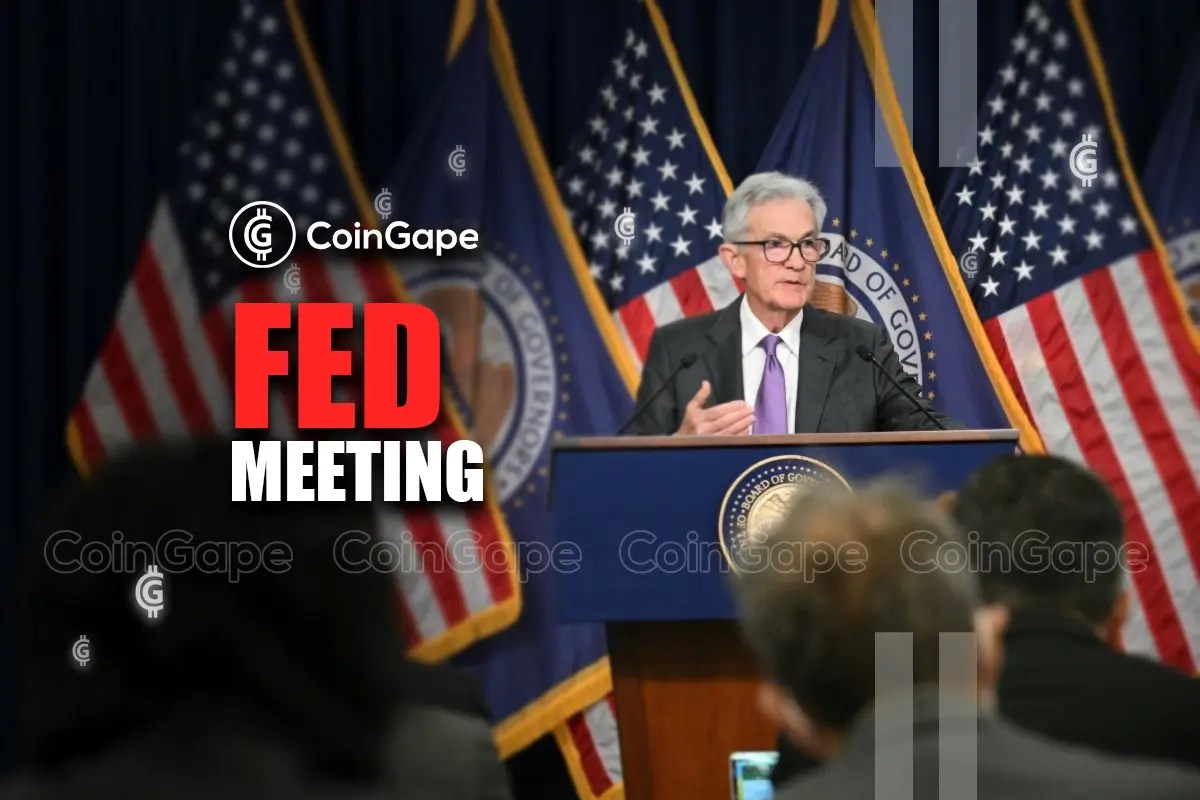
Fed Meeting Today What You Need To Know
Lead: A pivotal day for the U.S. economy has arrived as the Federal Reserve concludes its latest Federal Open Market Committee (FOMC) meeting. Financial markets, businesses, and consumers alike are keenly awaiting the outcomes and statements from the nation's central bank. This comprehensive guide breaks down the critical aspects of today's Fed meeting, offering essential insights into potential policy shifts, economic projections, and what these developments could mean for everyday Americans.
What Is Fed Meeting Today What You Need to Know?
The core of today's discussions centers around the Federal Reserve's Federal Open Market Committee (FOMC) meeting, a regularly scheduled gathering where the central bank's policymakers assess the state of the U.S. economy and determine the appropriate monetary policy. Key considerations include:
- Inflation trends and whether they are moving towards the Fed's 2% target.
- Labor market strength, including employment figures and wage growth.
- Overall economic growth indicators, such as GDP and consumer spending.
- Global economic developments that could impact the U.S. outlook.
The primary tools at the FOMC's disposal are the federal funds rate, which influences borrowing costs across the economy, and the size of its balance sheet. Decisions made today could have ripple effects on everything from mortgage rates to stock market performance.
Why Fed Meeting Today What You Need to Know Is Trending
Interest in the Federal Reserve's actions remains exceptionally high due to ongoing economic uncertainties and the profound impact of its policies. Inflation has been a dominant concern, and the Fed's response to it dictates the economic environment for millions. Market participants are scrutinizing every word for clues about future interest rate movements, which directly affect investment strategies and corporate earnings. Furthermore, consumers are sensitive to how these decisions influence the cost of borrowing for homes, cars, and credit cards, making the Fed meeting a consistently top-tier news event across financial, business, and general news outlets.
Dates, Locations, or Key Details
The Federal Reserve's Federal Open Market Committee meets eight times a year on a set schedule, though unscheduled meetings can occur if necessary. Today's meeting, like most, concludes at the Federal Reserve building in Washington, D.C. The key details for public attention include:
- Time of Announcement: Typically at 2:00 PM ET, the FOMC releases its policy statement.
- Economic Projections (Summary of Economic Projections - SEP): Released quarterly, the SEP provides committee members' forecasts for GDP growth, inflation, unemployment, and the federal funds rate (the "dot plot"). This is particularly important if released today.
- Press Conference: At 2:30 PM ET, the Fed Chair holds a press conference to elaborate on the committee's decision and respond to questions from financial journalists.
These elements combine to offer a comprehensive picture of the Fed's current stance and future intentions.
How To Get Involved or Access Fed Meeting Today What You Need to Know
Following the Federal Reserve's meeting and subsequent announcements is straightforward for anyone with an internet connection. Key avenues for access include:
- Official Federal Reserve Website: The Board of Governors of the Federal Reserve System publishes the FOMC statement, economic projections, and transcripts of the Chair's press conference directly on its website (federalreserve.gov) shortly after the embargo lifts.
- Financial News Outlets: Major financial news networks and websites (e.g., Bloomberg, CNBC, Reuters, The Wall Street Journal) provide live coverage, real-time analysis, and expert commentary as the announcements unfold.
- Live Streams: The Fed Chair's press conference is typically live-streamed on the Federal Reserve's website and often carried by major news outlets, offering direct access to the commentary.
- Economic Calendars: Many financial platforms feature economic calendars that highlight the exact timing of the Fed's announcements and projections, allowing users to anticipate key moments.
What To Expect
- Interest Rate Decision: The primary focus will be whether the federal funds rate target range remains unchanged, increases, or decreases. Any change would signal a significant shift in monetary policy.
- Forward Guidance: The FOMC statement will provide critical language on the committee's outlook for the economy and its future policy intentions, often hinting at the path of interest rates.
- Economic Projections Update: If a Summary of Economic Projections (SEP) is released, it will offer updated "dot plot" forecasts for interest rates and economic indicators, influencing market expectations.
- Chair's Press Conference: The Fed Chair's remarks will provide nuance and context to the policy decision, clarifying the committee's thinking on inflation, employment, and growth.
The Broader Impact of Fed Meeting Today What You Need to Know
The decisions from today's Fed meeting resonate across virtually all sectors of the U.S. economy and beyond. For businesses, changes in interest rates directly affect borrowing costs for investments, expansion, and operating capital. This can influence hiring decisions and overall growth strategies. For consumers, the federal funds rate impacts mortgage rates, auto loans, and credit card interest, significantly shaping purchasing power and housing affordability. Stock markets often react swiftly to Fed announcements, reflecting investor sentiment about future economic conditions and corporate profitability. Globally, the U.S. dollar's strength and international capital flows can also be influenced by the Fed's monetary policy trajectory, highlighting its systemic importance.
The Federal Reserve's communication today isn't just about rates; it's about setting the stage for economic expectations for the next several months, guiding everything from consumer spending to corporate investment strategies, commented a leading economist at a major financial institution.
Economic or Social Insights
The Federal Reserve's dual mandate is to achieve maximum employment and price stability. Today's decisions are a direct reflection of how the committee believes it is progressing on these fronts and what adjustments are needed. For example, if inflation remains stubbornly high, the Fed might signal a tighter monetary policy stance, which could lead to higher borrowing costs but aims to cool price increases. Conversely, if economic growth slows or unemployment rises unexpectedly, the Fed might lean towards more accommodative policies. The social impact is evident in how these policy choices directly influence the purchasing power of wages, the affordability of housing, and job security, making the Fed's actions a critical component of the economic narrative that affects every household. Financial publications like Bloomberg and The Wall Street Journal provide extensive, detailed analysis on these very points.
Frequently Asked Questions About Fed Meeting Today What You Need to Know
- What is Fed meeting today what you need to know? The phrase refers to the Federal Open Market Committee (FOMC) meeting, where the U.S. central bank's policymakers discuss and decide on monetary policy, primarily influencing interest rates and the money supply, with significant implications for the economy.
- Why is Fed meeting today what you need to know popular? Its popularity stems from the direct and indirect impact of the Fed's decisions on financial markets, business operations, consumer borrowing costs, and overall economic stability. It serves as a key indicator of the current and future economic landscape.
- How can people participate or experience it? Individuals can follow the developments by watching live streams of the Fed Chair's press conference, reading official statements on the Federal Reserve's website, and consulting analyses from reputable financial news organizations.
- Is it legitimate or official? Yes, the Federal Open Market Committee meeting is a legitimate and official gathering of the U.S. central bank's policymakers, established by federal law, with the authority to set monetary policy for the nation.
- What can attendees or users expect? Attendees (those following the news) can expect an official policy statement, potentially updated economic projections, and a press conference providing clarity on the Fed's assessment of the economy and its future policy direction, all influencing market sentiment.
Conclusion
Today's Federal Reserve meeting is a critical event for understanding the trajectory of the U.S. economy. The decisions made regarding interest rates and forward guidance will shape market behavior, business investment, and consumer financial decisions for the coming months. Staying informed about these developments is essential for anyone navigating the current economic environment. The outcomes will offer clarity on the Fed's commitment to its dual mandate of price stability and maximum employment, impacting all facets of financial life.
Call to Action: To stay fully informed, readers are encouraged to visit the official Federal Reserve website for the complete FOMC statement and economic projections, and to follow verified updates from reputable financial news sources for ongoing analysis and expert commentary.
:max_bytes(150000):strip_icc()/GettyImages-2195985853-30b15ad97e3046e5a417b39e05d32a32.jpg)