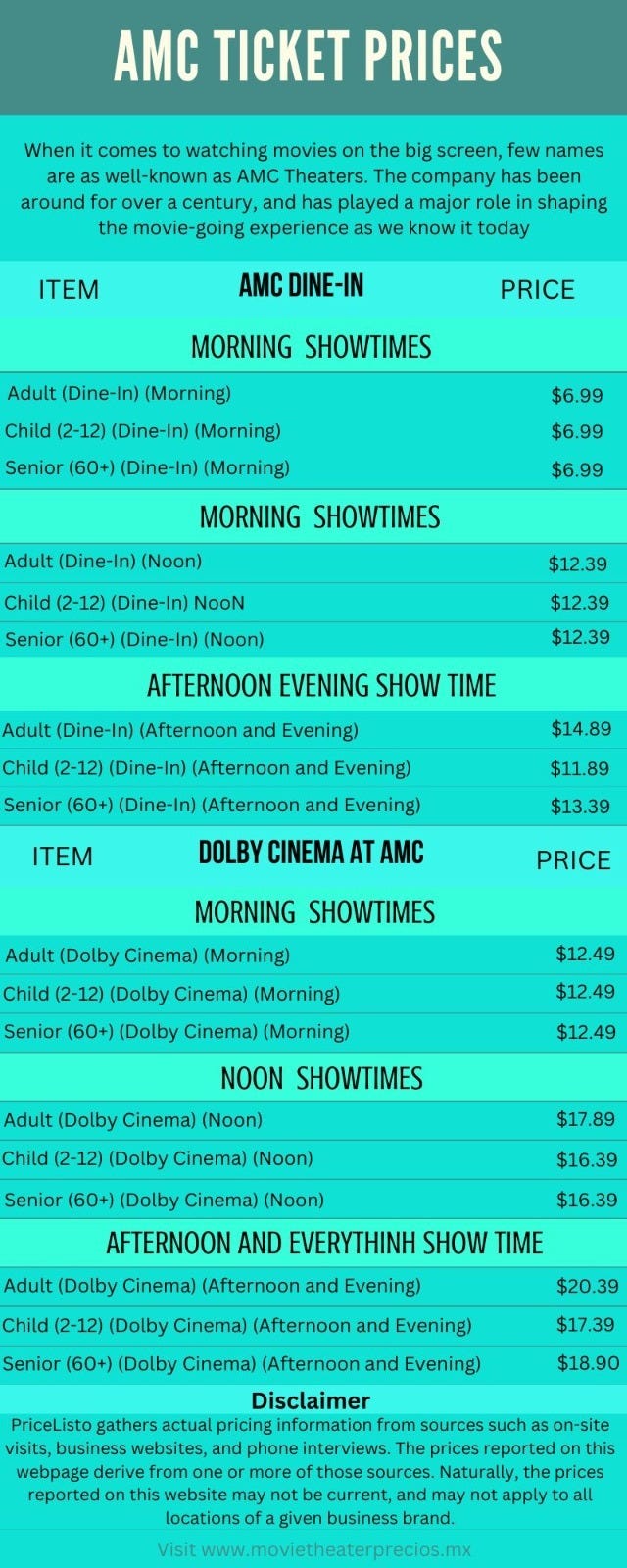
Amc Movie Ticket Prices A Complete Guide
Lead: Navigating the landscape of cinema admission can often present a complex challenge for moviegoers. As the largest theatrical exhibitor in the United States, AMC Entertainment Holdings, Inc. plays a significant role in defining the costs associated with experiencing the big screen. This comprehensive guide delves into the multifaceted factors influencing AMC movie ticket prices, offering insights into the various pricing tiers, discount opportunities, and loyalty programs available to consumers. Understanding these dynamics is essential for planning a cinematic outing efficiently and maximizing value, whether for a blockbuster premiere or a weekday matinee.
What Is AMC Movie Ticket Prices
AMC movie ticket prices encompass the various admission fees charged by AMC Theatres for viewing films across its extensive network of cinemas. These prices are not uniform; instead, they represent a dynamic system influenced by multiple variables. At its core, the pricing structure aims to balance operational costs, market demand, and consumer accessibility. Key elements influencing these prices include:
- Standard Admission: The baseline cost for a regular movie screening.
- Premium Format Surcharges: Additional fees for enhanced experiences like IMAX, Dolby Cinema, RealD 3D, and AMC Prime.
- Location-Based Pricing: Variations based on the theatre's geographical location, affecting urban, suburban, and rural venues differently.
- Time-Based Pricing: Distinct rates for matinee showings (typically before specific afternoon hours), evening screenings, and special late-night viewings.
- Day-Specific Pricing: Programs like AMC Discount Tuesdays, offering reduced prices on a particular weekday for AMC Stubs members.
- Special Events: Higher prices for Fathom Events, concert films, or other non-standard theatrical presentations.
Why AMC Movie Ticket Prices Is Trending
Interest in AMC movie ticket prices remains consistently high, driven by several converging trends in the entertainment industry and consumer spending habits. The resurgence of theatrical moviegoing post-pandemic, coupled with ongoing economic considerations, places a spotlight on admission costs. Consumers are increasingly scrutinizing discretionary spending, making transparency in ticket pricing a priority. Furthermore, the robust competition from streaming services means theatrical exhibitors must justify the value proposition of the big screen experience through compelling content and accessible pricing. Social media discussions frequently revolve around securing the best deals, especially with highly anticipated film releases, and AMC's various loyalty programs often feature prominently in these conversations. The company's significant market presence ensures that its pricing strategies are often a benchmark for the broader industry, influencing both competitor actions and audience expectations.
Dates, Locations, or Key Details
Understanding AMC's pricing structure involves recognizing how specific factors influence the final cost of a ticket. Generally, prices vary significantly by region, with theatres in major metropolitan areas like New York City or Los Angeles typically featuring higher base prices compared to smaller towns. Key determinants include:
- Geographic Location: A theatre in a high-rent urban center will likely have higher operating costs, reflected in ticket prices.
- Day of the Week: Tuesdays often offer the lowest prices for general admission through the AMC Discount Tuesdays program, which is available to AMC Stubs members. Weekend evening shows, particularly Fridays and Saturdays, tend to be the most expensive.
- Time of Day: Matinee pricing, usually for shows before 4:00 PM or 5:00 PM, provides a more economical option compared to prime evening slots.
- Film Popularity/Release Date: While less common for standard tickets, highly anticipated blockbusters might see premium pricing or rapid sell-outs, prompting earlier booking.
- Theatre Amenities: The presence of luxury recliners, dine-in options, or enhanced sound systems can contribute to a higher base price for a specific theatre location.
- Special Events: Fathom Events or limited-run screenings often have fixed, higher prices independent of standard AMC tiers.
How To Navigate and Maximize Value with AMC Ticket Prices
Navigating AMC's ticket pricing to find the best value requires understanding the available tools and programs. For moviegoers seeking to optimize their cinematic experience without overspending, several key strategies can be employed:
- Utilize AMC Stubs Membership: Enrollment in the free AMC Stubs Insider program or the paid AMC Stubs Premiere/A-List tiers provides access to discounts. Insiders get free refills on large popcorn and access to Discount Tuesdays. Premiere members receive points for every dollar spent and enhanced concessions discounts.
- Consider AMC Stubs A-List: This subscription service allows members to see up to three movies per week, including premium formats, for a fixed monthly fee. It represents significant savings for frequent moviegoers.
- Leverage Discount Tuesdays: For AMC Stubs members, Tuesday screenings offer significantly reduced ticket prices at participating locations. This is often one of the best ways to save on admission.
- Opt for Matinee Showtimes: Generally, showings before late afternoon provide a lower ticket price compared to evening shows. Check the theatre's schedule for exact matinee cut-off times.
- Check AMC's Official Website and App: The most accurate and up-to-date pricing information for any given showtime and location is available directly on AMCTheatres.com or via the AMC mobile application. This allows for direct comparison and booking.
- Look for Bundle Deals or Promotions: Occasionally, AMC runs special promotions, especially around holidays or major film releases, which might include ticket and concession bundles.
- Explore Gift Cards: Discounted AMC gift cards can sometimes be purchased through third-party retailers, offering indirect savings on ticket purchases.
What To Expect
- A range of prices depending on the theatre's location and the selected showtime, with metropolitan areas generally being more expensive.
- Clear differentiation in pricing for standard screenings versus premium formats like IMAX, Dolby Cinema, and 3D, which carry additional surcharges.
- Consistent savings opportunities through the AMC Stubs loyalty program, particularly with AMC Discount Tuesdays and the AMC Stubs A-List subscription.
- Easy access to current pricing information and booking options via the AMC official website and mobile application, which provides real-time updates.
- Variations in concession pricing, which, while not part of the ticket price, significantly contribute to the overall cost of a movie outing.
- The possibility of dynamic pricing for select, high-demand events, though this remains an exception rather than the norm for standard film showings.
The Broader Impact of AMC Movie Ticket Prices
The structure and transparency of AMC's movie ticket prices exert a considerable influence on the broader theatrical exhibition industry and consumer behavior. As a market leader, AMC's pricing strategies often set precedents that other cinema chains may follow or react to. The emphasis on loyalty programs like AMC Stubs A-List directly addresses the challenge posed by in-home streaming, offering a compelling value proposition that encourages frequent, repeat visits to the theatre. This approach not only secures recurring revenue but also fosters a sense of community among avid moviegoers. Economically, effective pricing allows AMC to invest in theatre upgrades, technology (like laser projection and comfortable seating), and diverse programming, thereby enhancing the overall moviegoing experience and justifying premium ticket costs for specialized formats. The balancing act between affordability and profitability is crucial for the long-term health of the theatrical segment, especially in a competitive entertainment landscape.
The ability for a major chain like AMC to adapt its pricing, offering tiered options and robust loyalty programs, is fundamental to sustaining the theatrical experience in the digital age. It's about providing choice and perceived value to a diverse audience, observed a cinema industry analyst.
Economic or Social Insights
From an economic standpoint, AMC's approach to ticket pricing is a critical component of its revenue generation strategy. The tiered system, which includes premium formats, allows for price differentiation based on the value perceived by various consumer segments. This maximizes potential revenue while still offering entry-level options. The success of programs like AMC Stubs A-List demonstrates the power of subscription models in driving consistent attendance, a vital metric for exhibitors. This steady flow of patrons not only boosts ticket sales but also significantly impacts concession revenue, which typically carries higher profit margins. The competitive pricing environment, often reported by outlets like The Hollywood Reporter and Variety, means AMC must continually evaluate its pricing to remain attractive while maintaining financial viability. Socially, transparent and varied pricing allows for greater accessibility across different economic demographics, ensuring the communal experience of moviegoing remains within reach for a broader audience, fostering cultural engagement.
Frequently Asked Questions About AMC Movie Ticket Prices
- What are AMC movie ticket prices? AMC movie ticket prices refer to the admission costs for viewing films at AMC Theatres. These prices vary based on factors such as theatre location, day of the week, time of day (matinee vs. evening), and the specific format chosen (standard, IMAX, Dolby Cinema, 3D).
- Why is understanding AMC movie ticket prices important? Understanding AMC ticket prices allows moviegoers to make informed decisions, identify potential savings opportunities through loyalty programs and matinee showings, and maximize the value of their entertainment budget. It is crucial for planning an efficient and enjoyable cinematic outing.
- How can people find the best AMC ticket prices or deals? The best ways to find deals include utilizing AMC Stubs memberships (especially for Discount Tuesdays), opting for matinee showtimes, considering the AMC Stubs A-List subscription for frequent visits, and checking the official AMC website or app for current promotions and pricing.
- Are AMC ticket prices legitimate and consistent? Yes, AMC ticket prices are official and are consistently applied based on the parameters set for each theatre and showtime. While prices vary by location and offering, the stated price for a specific showing is legitimate and what will be charged.
- What can attendees or users expect regarding AMC ticket pricing? Attendees can expect clear pricing displayed on AMC's digital platforms, options for premium experiences at higher costs, and regular opportunities for discounts via loyalty programs. Transparency and a range of choices are standard aspects of the pricing model.
Conclusion
Understanding AMC movie ticket prices is more than just knowing the cost of admission; it involves appreciating the strategies that shape the modern theatrical experience. From diverse pricing tiers for various formats and showtimes to robust loyalty programs designed to reward frequent visitors, AMC strives to offer options that cater to a broad spectrum of moviegoers. By staying informed about these various factors and leveraging available discounts, consumers can enjoy the magic of the big screen without unnecessary expense. The commitment to flexible pricing ensures that cinematic storytelling remains an accessible and cherished form of entertainment.
Call to Action: To explore current showtimes, compare ticket prices at local theatres, and learn more about AMC Stubs loyalty programs, visit the official AMC Theatres website at AMCTheatres.com or download the AMC mobile application for immediate access to deals and bookings.