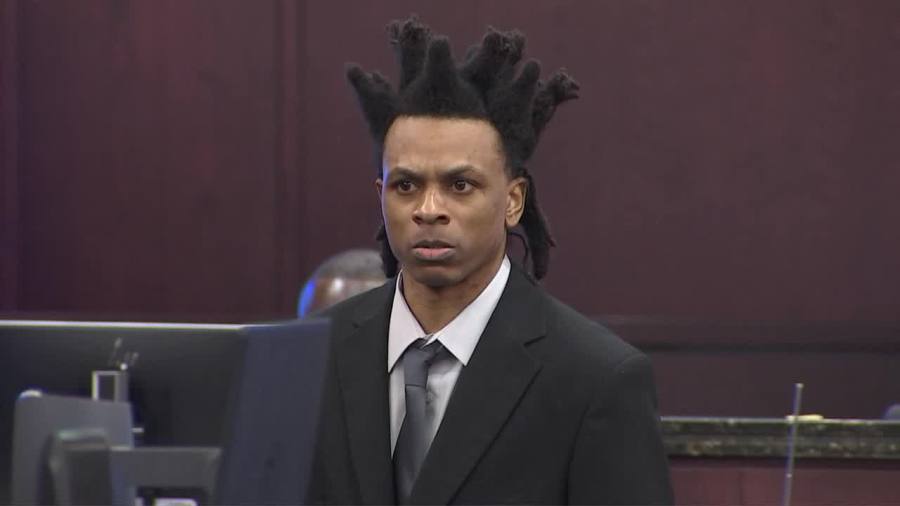
Ronnie Oneal Crime Unveiling The Horrifying Scene
Lead: The Ronnie O'Neal crime case has remained a harrowing focal point in discussions surrounding domestic violence, child abuse, and the intricacies of the U.S. justice system. Unveiling the horrifying scene of the 2018 murders of his girlfriend and daughter, along with the attempted murder of his son, the case garnered significant national attention due to its brutal nature and O'Neal's unprecedented decision to represent himself during the trial. This article delves into the details, legal complexities, and broader societal implications of a case that continues to resonate across the nation.
What Is the Ronnie O'Neal Crime Unveiling the Horrifying Scene?
The core of the Ronnie O'Neal crime revolves around a tragic event that unfolded in Riverview, Florida, on March 2, 2018. Ronnie O'Neal III was accused and later convicted of the murders of his 33-year-old girlfriend, Kenyatta Brown, and their 8-year-old daughter, Ron'Niveya O'Neal. Additionally, he was charged with the attempted murder of his then 9-year-old son, Ronnie O'Neal IV, who survived the horrific attack. The crimes were characterized by extreme violence, including a shooting, stabbing, and arson, painting a truly horrifying scene for investigators and the community. The subsequent legal proceedings, especially O'Neal's decision to act as his own attorney, brought intense scrutiny to the case.
- Double homicide and attempted murder occurred in March 2018.
- Victims included O'Neal's girlfriend and young daughter, with his son severely injured.
- Location of the crime was Riverview, Hillsborough County, Florida.
- Ronnie O'Neal III was the defendant, famously representing himself at trial.
Why the Ronnie O'Neal Crime Is Trending
The Ronnie O'Neal crime continues to draw significant interest for several compelling reasons. Its brutal nature immediately captured headlines, but the subsequent trial elevated its profile dramatically. O'Neal's insistence on self-representation, despite facing capital murder charges, created a highly unusual and often chaotic courtroom environment. The emotional testimony, particularly from his surviving son, Ronnie O'Neal IV, who provided a chilling account of the events, captivated and horrified audiences. Furthermore, the case has sparked ongoing public discourse on issues such as mental competency in criminal proceedings, the effectiveness of self-representation in complex cases, domestic violence awareness, and child protection. True crime enthusiasts and legal commentators frequently revisit the case, analyzing its legal strategies and profound human impact.
Dates, Locations, or Key Details
The timeline and key figures associated with the Ronnie O'Neal crime are crucial for understanding its progression and impact:
- Date of Crimes: March 2, 2018.
- Location: A residence in Riverview, Florida, a community within Hillsborough County.
- Victims: Kenyatta Brown (33, girlfriend) and Ron'Niveya O'Neal (8, daughter), both deceased. Ronnie O'Neal IV (then 9, son), survived.
- Defendant: Ronnie O'Neal III.
- Trial: The highly publicized trial took place in the summer of 2021, lasting several weeks.
- Verdict: O'Neal was found guilty on multiple counts, including two counts of first-degree murder, attempted murder, and arson.
- Sentence: He received two life sentences without the possibility of parole, plus an additional 60 years.
- Key Legal Aspect: O'Neal's decision to represent himself (pro se) throughout the trial, leading to frequent confrontations with the judge and prosecution.
How To Follow Updates or Learn More About the Case
For those seeking to understand the ongoing developments or delve deeper into the Ronnie O'Neal crime case, several avenues are available:
- Official Court Records: Public records from the Hillsborough County Clerk of Court and appellate courts in Florida provide direct access to filings, transcripts, and judicial decisions related to O'Neal's appeals.
- Reputable News Archives: Major news outlets, particularly those based in the Tampa Bay area (e.g., Tampa Bay Times, WFLA, FOX 13 Tampa Bay), offer extensive reporting, video footage from the trial, and analysis. National news organizations like CNN and Associated Press also covered significant developments.
- Legal Analysis Platforms: Websites and publications specializing in legal news often provide expert commentary on the procedural aspects and broader implications of cases like O'Neal's.
- Victim Advocacy Resources: For those moved by the case's context, supporting organizations dedicated to preventing domestic violence and child abuse offers a way to engage with related societal issues.
What To Expect When Learning About the Case
- Complex Legal Arguments: The case involves intricate legal details, especially concerning self-representation, evidence presentation, and post-conviction appeals.
- Disturbing Content: Details of the crime and the impact on the victims and surviving family members are inherently graphic and emotionally challenging.
- Insights into the Justice System: The trial offers a rare look at the challenges faced by both the prosecution and the judiciary when a defendant chooses to represent themselves in a capital case.
- Ongoing Discussion: The case continues to fuel conversations about mental health, domestic violence prevention, and the support systems for survivors.
The Broader Impact of the Ronnie O'Neal Crime
The Ronnie O'Neal crime, and the subsequent "unveiling the horrifying scene" through court proceedings, has had a profound impact extending beyond the immediate tragedy. It has ignited crucial conversations about the efficacy of domestic violence intervention programs and the necessity of robust child welfare systems. The trial itself served as a stark example of the complexities and potential pitfalls of a defendant choosing self-representation in a high-stakes murder case, prompting legal professionals to re-evaluate safeguards within the justice system. The testimony of the surviving child, in particular, underscored the long-term psychological trauma inflicted by such acts and the immense courage of survivors. Societal discourse around mental health in criminal contexts also gained traction, as O'Neal's behavior and decisions during the trial raised questions about psychological evaluation and support.
The O'Neal trial pushed the boundaries of courtroom decorum and highlighted the immense burden placed on both the prosecution and a pro se defendant in such a high-stakes case, a legal analyst observed, emphasizing its unique place in modern legal history.
Economic or Social Insights
From an economic perspective, high-profile murder trials like O'Neal's represent substantial costs to taxpayers, encompassing extensive police investigation, prosecution, judicial resources, and the appeals process. The broader social costs of domestic violence are immeasurable, including healthcare expenses for victims, lost productivity, and the intergenerational trauma affecting families and communities. The case serves as a poignant reminder of the critical need for increased funding and awareness for domestic violence shelters, counseling services, and preventative educational programs. It also highlights the strain on legal aid services and public defenders, who often manage overwhelming caseloads while advocating for vulnerable populations within the justice system.
Frequently Asked Questions About the Ronnie O'Neal Crime
- What is the Ronnie O'Neal crime? The Ronnie O'Neal crime refers to the 2018 double murder of Kenyatta Brown and Ron'Niveya O'Neal, and the attempted murder of Ronnie O'Neal IV, committed by Ronnie O'Neal III in Riverview, Florida. It encompasses the brutal events and the subsequent, highly publicized trial where O'Neal represented himself.
- Why is the Ronnie O'Neal crime popular? Its popularity stems from the extreme violence of the crime, the defendant's unusual decision to represent himself during a capital murder trial, and the harrowing testimony, especially from the surviving child, all of which garnered significant media attention and public interest.
- How can people learn more or engage with the case? Individuals can learn more by reviewing public court records, consulting comprehensive reports from reputable news organizations, or engaging with ethical true-crime analysis that respects the victims and legal process. Supporting organizations focused on domestic violence awareness and prevention is another way to engage with the broader issues raised by the case.
- Is information about the Ronnie O'Neal crime legitimate or official? Yes, the details of the crime and trial are extensively documented through official court proceedings, public records, and widespread coverage by established news media, making the information highly legitimate and verifiable.
- What can people expect when researching this case? Researchers and interested individuals can expect to encounter disturbing and emotionally challenging details about the crime, alongside complex legal arguments and an examination of the justice system's response to such severe acts. The case offers a deep dive into legal procedures, victim impact, and societal discussions surrounding violence and accountability.
Conclusion
The Ronnie O'Neal crime stands as a chilling testament to the devastating consequences of domestic violence and the complex challenges inherent in the pursuit of justice. Unveiling the horrifying scene that unfolded in 2018, the case transcended a typical criminal trial to become a significant reference point for discussions on legal ethics, victim advocacy, and the psychological impact of trauma. It underscored the resilience of survivors and the tireless efforts of legal professionals to navigate unprecedented circumstances. The case continues to serve as a stark reminder of the ever-present need for societal vigilance against violence and the ongoing quest for accountability and healing.
Call to Action: Readers are encouraged to stay informed through verified news sources, explore resources dedicated to domestic violence prevention, and support organizations that provide aid and advocacy for victims and survivors of violent crimes.