Nikki Catsoura The Tragic Story And Its Aftermath
Lead: The harrowing narrative of Nikki Catsoura stands as a stark reminder of the internet's profound capacity for both connection and cruelty. Her tragic story, involving the unauthorized dissemination of deeply private and graphic images following her death, quickly escalated into a widespread campaign of online harassment and exploitation. This case has become a pivotal touchstone in discussions surrounding cyberbullying, digital legacy, and the pervasive challenges families face in combating anonymous online abuse, compelling readers to confront the enduring ramifications of unmoderated digital spaces.
What Is Nikki Catsoura
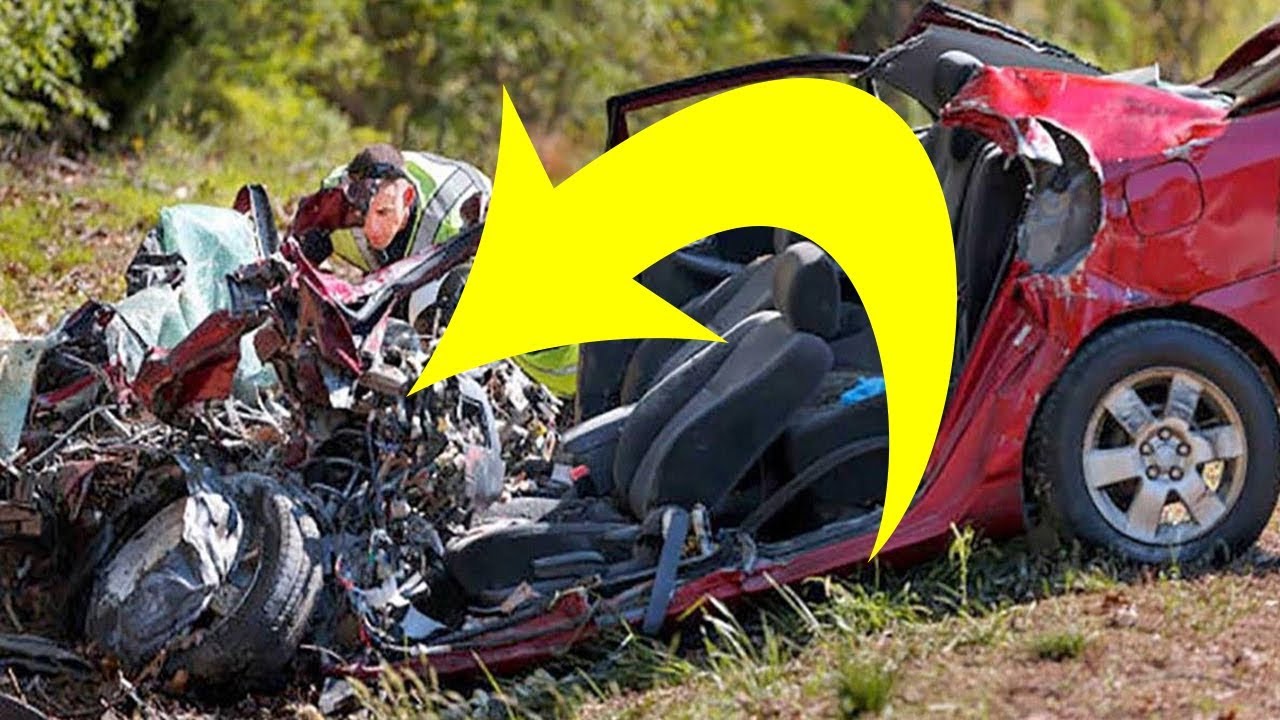
The core of Nikki Catsoura's story centers on the devastating aftermath of her suicide in October 2006. Following her death, graphic images from the accident scene were illegally leaked onto the internet. What began as a personal tragedy for her family escalated into a relentless nightmare as these images were not only widely circulated but also Photoshopped into cruel memes, used in hate sites, and accompanied by taunts and derogatory comments. The "aftermath" refers specifically to the decade-long struggle undertaken by her parents, the Catsouras family, to:
- Remove the illicit images from websites and social media platforms.
- Identify and hold accountable the individuals responsible for the initial leak and subsequent online harassment.
- Cope with the immense emotional and psychological toll inflicted by this digital torment, enduring hateful messages and threats directly targeting them.
This saga brought to light critical issues regarding internet governance, digital privacy, and the legal limitations in protecting victims from online exploitation.
Why Nikki Catsoura
While the initial events occurred over a decade ago, Nikki Catsoura's story periodically resurfaces, maintaining its relevance in contemporary discourse for several key reasons:
- Ongoing Cyberbullying Concerns: It remains a powerful illustration of extreme cyberbullying and online harassment, continually cited in discussions about internet safety, mental health, and the devastating impact of digital cruelty on individuals and families.
- Digital Legacy and Privacy: The case highlights the lasting and often uncontrollable nature of content once it enters the digital sphere, fueling debates about the "right to be forgotten" and the challenges of managing one's digital footprint after death.
- Platform Accountability: As social media and content-sharing platforms evolve, the Catsoura case serves as a benchmark for discussions about platform responsibility in content moderation and their role in preventing the spread of harmful material.
- Legal Precedent: The family's legal battles, though arduous, have contributed to evolving legal perspectives on digital privacy and the potential for victims to pursue redress against those who misuse their images online.
It continues to be a poignant case study examined by educators, legal experts, and online safety advocates worldwide.
Dates, Locations, or Key Details
The tragedy began on October 31, 2006, when Nikki Catsoura, then 18 years old, was involved in a fatal car accident in Lake Forest, California. Key details that defined the ensuing aftermath include:
- Image Leak: Two California Highway Patrol (CHP) officers, unauthorized to do so, downloaded nine graphic photographs of the crash scene from a computer and subsequently leaked them online.
- Online Proliferation: Within weeks, these images spread virally across the internet, appearing on gore sites, forums, and eventually social media platforms, often accompanied by derogatory comments about Catsoura and her family.
- Family's Fight: The Catsoura family launched a relentless campaign to have the images removed, appealing to websites, internet service providers, and eventually pursuing legal action against the CHP officers and various online entities.
- Legal Battles: The family faced significant legal hurdles, including initial dismissals based on First Amendment concerns regarding free speech. Their persistence eventually led to some success, including a settlement with the CHP and rulings that acknowledged the emotional distress caused by the photo leak.
- Enduring Impact: Despite legal victories, the complete eradication of the images from the internet proved impossible, leaving the family with an ongoing struggle against digital perpetuation of their grief.
How To Understand and Support the Lessons from Nikki Catsoura
While this particular event is a closed case regarding its immediate legal outcomes, its broader lessons offer valuable pathways for engagement and support:
- Educate Yourself on Online Ethics: Learn about responsible digital citizenship, the impact of cyberbullying, and the importance of empathy in online interactions. Resources from organizations like the Cyberbullying Research Center or StopBullying.gov provide foundational knowledge.
- Advocate for Stronger Digital Protections: Support organizations and legislative efforts aimed at improving digital privacy laws, content moderation standards, and victim protection from online harassment.
- Promote Mental Health Awareness: Understand the profound link between online behavior and mental well-being. Supporting mental health initiatives and fostering open conversations about digital stress can help prevent similar tragedies.
- Report Harmful Content: Familiarize yourself with the reporting mechanisms on social media platforms and websites. Reporting graphic or harassing content can contribute to a safer online environment.
What To Expect from Learning About This Case
- A profound understanding of the long-term emotional and psychological toll online harassment inflicts on victims and their families.
- Insights into the complex legal and ethical challenges associated with content control and privacy in the digital age.
- An increased awareness of the critical need for digital empathy and responsible online conduct.
- A renewed appreciation for efforts by advocates and lawmakers to establish more robust protections against cyberbullying and digital exploitation.
The Broader Impact of Nikki Catsoura
The Catsoura case has left an indelible mark on discussions surrounding internet law, platform governance, and public perception of digital harm. It significantly contributed to evolving legal frameworks concerning the emotional distress caused by online abuse and the responsibilities of those who handle sensitive information. Culturally, it underscores the persistent vulnerability of individuals in the face of anonymous online mobs and the difficulties in reclaiming one's digital narrative. The case serves as a touchstone for mental health advocates, highlighting the immense pressure and psychological damage that can result from widespread online cruelty.
The Nikki Catsoura case serves as a chilling testament to the internet's capacity for unchecked cruelty and the urgent need for a more robust ethical and legal framework to protect individuals from online exploitation. Its a tragedy that continues to inform our understanding of digital privacy and accountability.
Economic or Social Insights
The social implications of the Catsoura story are extensive, revealing the dark underbelly of online anonymity and the ease with which private tragedies can be sensationalized and weaponized. It exposed significant gaps in social media and forum moderation practices at the time, leading to subsequent improvements, albeit slow, in content reporting and removal processes across various platforms. Economically, while not directly measurable in typical market terms, the incident highlights the unseen "costs" of online harassment, including substantial legal fees incurred by families seeking justice, the drain on mental health resources, and the societal burden of unresolved digital grievances. It also indirectly fuels the demand for cybersecurity firms specializing in digital reputation management and content removal, a growing industry driven by incidents like this. Publications like Wired and The New York Times have frequently covered similar cases, underscoring the ongoing societal struggle.
Frequently Asked Questions About Nikki Catsoura
- What is Nikki Catsoura: The Tragic Story and Its Aftermath? The story details the unauthorized leak and widespread online dissemination of graphic images of Nikki Catsoura following her fatal car accident in 2006, and her family's subsequent decadelong fight against online harassment, image exploitation, and for legal redress.
- Why is Nikki Catsoura: The Tragic Story and Its Aftermath popular? Its enduring popularity stems from its profound relevance to ongoing debates about cyberbullying, digital privacy, the limitations of internet content control, and the severe emotional consequences of online abuse, making it a powerful cautionary tale.
- How can people understand or learn from it? Individuals can learn from this case by educating themselves on online safety, advocating for stricter digital ethics, supporting anti-cyberbullying initiatives, and practicing responsible digital citizenship.
- Is it legitimate or official? Yes, the events surrounding Nikki Catsoura's death and the subsequent online harassment are legitimate and well-documented facts, subject to extensive media coverage and legal proceedings in California.
- What can attendees or users expect from engaging with this topic? Those who delve into this topic can expect to gain a deeper understanding of the complexities of online harm, the resilience required to fight digital injustice, and the urgent need for empathy and accountability in digital spaces.
Conclusion
The story of Nikki Catsoura and its aftermath transcends a single incident, embodying a crucial chapter in the ongoing narrative of the internet's social and ethical evolution. It serves as a powerful testament to the devastating impact of online harassment and the enduring struggle for digital dignity. While the family's journey for justice was arduous and painful, their perseverance illuminated critical flaws in digital content governance and ignited vital conversations about privacy, accountability, and compassion in the online world. This case remains a compelling call for greater responsibility from individuals, platforms, and legal systems to foster a safer, more humane digital environment.
Call to Action: Readers are encouraged to learn more about cyberbullying prevention, support organizations dedicated to online safety, and advocate for stronger digital privacy protections to honor the lessons learned from this profound tragedy.