
Doublelist What Happened Best Alternatives In 2024
Lead: The landscape of online classifieds and personal connections has seen significant evolution, particularly for platforms that once served as digital meeting points. Following shifts in policy and user behavior, many have sought to understand the status of Doublelist and, more importantly, where to turn next. This article delves into what transpired with Doublelist and explores the top, legitimate alternatives available for U.S. readers in 2024, providing a comprehensive guide to navigating this changed online environment.
What Is doublelist what happened best alternatives in 2024?
The phrase "doublelist what happened best alternatives in 2024" encapsulates a prevalent user query stemming from the evolving status of Doublelist, an online classifieds platform designed to fill a void left by the discontinuation of Craigslists personals section. Doublelist emerged as a popular destination for users seeking a wide array of personal connections, from dating and casual encounters to community forums and specific interest groups. Its premise was to offer a platform with broader freedom for user-generated content, moving beyond the more restrictive environment of mainstream dating applications.
However, the online classifieds space is dynamic, influenced by legal frameworks, public sentiment, and competition. For Doublelist, challenges included maintaining a safe environment free from illicit activities, navigating advertising regulations, and adapting to ever-changing user expectations regarding privacy and content moderation. The "what happened" part of the query often refers to service interruptions, changes in content policies, or a perceived decline in active user base, leading many to question its current viability or even its existence. The platform, like many of its predecessors, faced the complex task of balancing user freedom with the necessity of preventing misuse and adhering to legal standards.
- Doublelist initially aimed to replace Craigslist Personals.
- It facilitated various personal connections and community listings.
- Its trajectory has been marked by challenges typical of online classifieds platforms, including content moderation and legal compliance.
Why doublelist what happened best alternatives in 2024 Is Trending
The ongoing search for "doublelist what happened best alternatives in 2024" is trending for several compelling reasons, primarily rooted in the disruption of established online classifieds models. When Craigslist discontinued its personals section in 2018 due to federal legislation (FOSTA-SESTA) aimed at combating online sex trafficking, a massive user base was displaced. Doublelist stepped in, quickly becoming a leading option for those seeking similar connection opportunities.
However, the platform itself has experienced periods of inconsistency, leading users to believe it may have faced similar regulatory pressures, technical difficulties, or a dwindling community. This uncertainty has created a persistent demand for reliable alternatives. Users are actively seeking platforms that offer similar functionalitieswhether for dating, platonic meetups, niche hobbies, or local classifiedsbut with greater stability, improved user experience, and robust safety measures. The trend highlights a continuous need for digital spaces where individuals can connect beyond the confines of mainstream social media or highly specialized dating apps, underscoring the enduring appeal of broad-spectrum classifieds.
Dates, Locations, or Key Details
The critical timeframe for understanding the Doublelist phenomenon and its alternatives largely centers around the period following 2018, when the FOSTA-SESTA legislation fundamentally reshaped the U.S. online classifieds landscape. This legislative shift directly led to the shutdown of Craigslist Personals and catalyzed the emergence of platforms like Doublelist. By 2024, the market has had ample time to adapt, mature, and diversify, offering a range of alternatives designed to meet various user needs.
Geographically, the focus remains primarily on U.S. cities and states, as local connections and community classifieds formed the backbone of Doublelist's appeal. While specific events are not tied to Doublelist's operational status, the ongoing evolution of privacy laws and online content regulations at both federal and state levels continues to influence the viability and design of such platforms. The key detail in 2024 is the shift from a few dominant general classifieds to a more fragmented ecosystem of specialized apps and websites, each targeting specific demographics or types of connections.
How To Get Involved or Access doublelist what happened best alternatives in 2024
Accessing alternatives to platforms like Doublelist in 2024 involves navigating a diverse ecosystem of specialized apps and websites. The process is straightforward, focusing on identifying the specific type of connection or classifieds service sought. Here's how to get started:
- Define Your Need: Determine if you're looking for dating, platonic friendships, specific interest groups, local classifieds (items for sale, services), or personal ads.
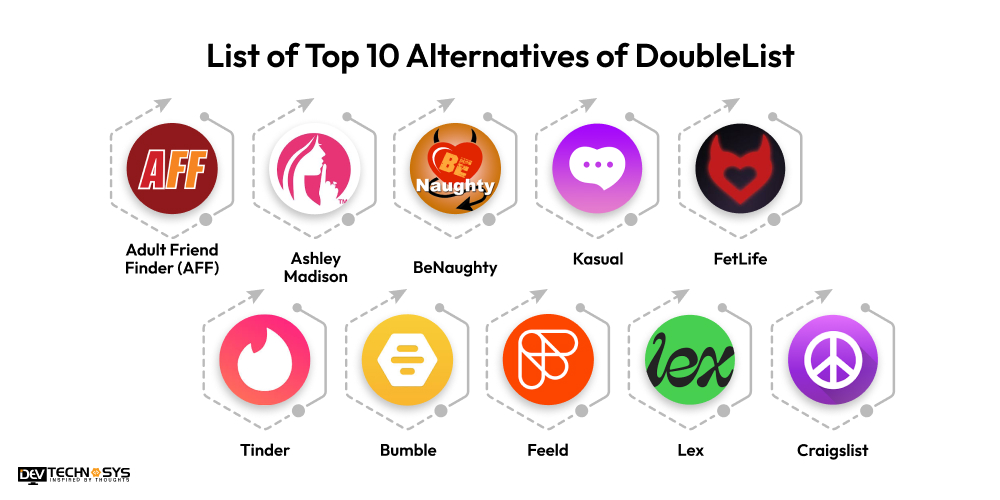
- Research Niche Platforms: Many platforms specialize. For dating, consider established apps like Match.com, Tinder, Bumble (mainstream) or more niche options like Feeld (open-minded connections) or specific interest-based dating sites. For local classifieds, explore Facebook Marketplace, local subreddit groups, or specialized community forums.
- Prioritize Safety and Privacy: Always review a platform's privacy policy and safety guidelines. Look for features like user verification, reporting mechanisms, and clear terms of service.
- Create a Profile (If Applicable): For social or dating alternatives, craft an honest and engaging profile. Upload recent, clear photos and articulate your intentions clearly.
- Utilize Search and Filtering: Most platforms offer robust search and filtering tools. Use these to narrow down connections or listings by location, interests, age, or other relevant criteria.
- Engage Responsibly: When interacting with others, maintain respectful communication. Arrange initial meetings in public places and inform a trusted friend of your plans.
What To Expect
- Diversified Options: Users will find a broader range of platforms, each catering to more specific needs or demographics than general classifieds.
- Enhanced Security Measures: Many reputable alternatives prioritize user safety with verification processes and reporting tools.
- Varying User Bases: The size and activity of communities will differ greatly between platforms, impacting the speed and success of connections.
- Subscription Models: Some alternatives may operate on a freemium or subscription basis, offering advanced features for paid members.
The Broader Impact of doublelist what happened best alternatives in 2024
The evolution of platforms like Doublelist and the subsequent search for alternatives in 2024 have a significant broader impact on digital culture, community formation, and personal interaction. This shift reflects a move from broad, often unmoderated classifieds to more specialized and frequently more regulated environments. The discontinuation of general personal ads on major sites has forced users into more niche platforms, some of which are designed with specific intentions (e.g., dating, hobby groups, local trading).
This fragmentation, while potentially making the search for the "right" platform more complex, also offers benefits. It encourages the development of communities with shared interests and more defined expectations, potentially leading to higher-quality interactions. It also drives innovation in content moderation and safety features as new platforms strive to build trust. The impact extends to business models, with many alternatives adopting more sophisticated revenue streams beyond basic advertising, such as premium subscriptions or micro-transactions, reflecting a maturing market for online connection services.
The online landscape for personal connections and classifieds is constantly recalibrating. What were seeing now is a push towards specialization and enhanced safety, a natural progression as digital interactions become more integral to our daily lives.
Economic or Social Insights
From an economic perspective, the shift away from centralized, general classifieds like early Craigslist personals and platforms aiming to replicate them signals a redistribution of market share. Companies that can effectively cater to specific nichesbe it discreet dating, hobby-based meetups, or local service listingsare seeing growth. This fragmentation leads to a more competitive market, driving innovation in user experience, safety features, and monetization strategies. Specialized platforms often command higher user engagement within their targeted demographics, which can translate to stronger advertising revenue or subscription uptake, as observed in segments like niche dating apps or local community networks.
Socially, the transformation highlights an enduring human need for connection and exchange outside of traditional social circles. It also underscores the ongoing challenge of balancing open communication with the prevention of misuse. The rise of alternatives that prioritize privacy and community guidelines reflects a growing user demand for safer online spaces. Publications like TechCrunch and Wired frequently cover these shifts, detailing how online classifieds are evolving from simple bulletin boards to sophisticated, algorithm-driven platforms designed for more targeted interactions.
Frequently Asked Questions About doublelist what happened best alternatives in 2024
- What is doublelist what happened best alternatives in 2024? This phrase refers to the search for information regarding the status or perceived decline of the Doublelist classifieds platform, alongside a quest for viable and reputable alternative websites or apps to fulfill similar needs for personal connections and local listings in the current year.
- Why is doublelist what happened best alternatives in 2024 popular? The popularity stems from the initial disruption caused by Craigslist Personals' shutdown, which Doublelist sought to address. Subsequent uncertainty about Doublelists stability or effectiveness has led a significant user base to actively seek new, reliable platforms for their online classifieds and social connection needs.
- How can people participate or experience it? Users can participate by researching and signing up for various alternative platforms. This involves defining their specific needs (e.g., dating, community, services), exploring specialized websites or apps, creating profiles, and engaging responsibly within their chosen communities.
- Is it legitimate or official? The alternatives available in 2024 vary in legitimacy and official standing. Many are well-established, official platforms with clear terms of service and active user bases, while others may be smaller, niche sites. Users should always verify the reputation and policies of any platform before engaging extensively.
- What can attendees or users expect? Users can expect a more fragmented but potentially safer and more specialized online experience compared to earlier general classifieds. They will find platforms focused on particular types of connections or services, often with enhanced moderation and varying levels of free versus paid features.
Conclusion
The journey from the prominence of Doublelist to the active search for its alternatives in 2024 underscores a significant maturation in the online classifieds and personal connections sector. While the era of broad, unrestricted platforms may be largely behind us, a new landscape of specialized, safety-conscious alternatives has emerged. These platforms cater to a diverse array of needs, from dating and casual meetups to community engagement and local trade, demonstrating the enduring human desire for digital connection.
Call to Action: Readers are encouraged to thoroughly research and explore the various reputable alternative platforms available in 2024. Visit their official websites, review their safety guidelines, and choose the option that best aligns with individual connection or classifieds needs. Engaging with these new digital communities offers pathways to meaningful interactions and exchanges.


You might also like
